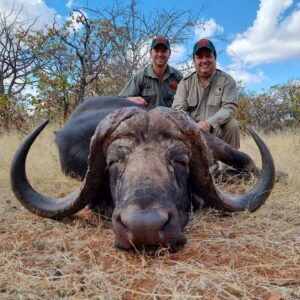
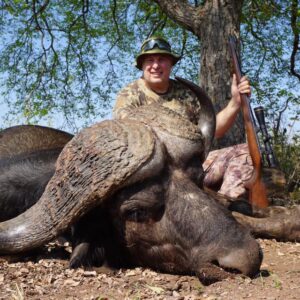
Cape Buffalo Hunts
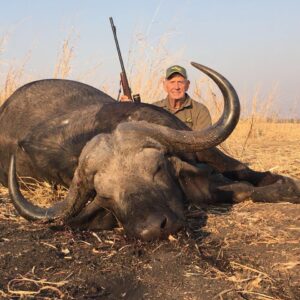
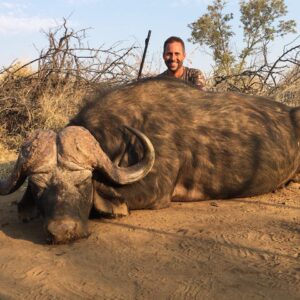
Cape buffalo hunting is considered to be one of the most dangerous hunts that can be done. These wild cattle are responsible for more deaths than any of the other Big 5 dangerous game animals in Africa.
Known by hunters around the world as the “Black Death.”
Cape buffalo have the ability… and the personality to stomp you into the ground and tear you apart with their horns. Truly, a cape buffalo hunt is dangerous. Buff don’t die easy, and can charge you at 35 mph. These animals have no sympathy, they play for keeps, and will stop at nothing to take you out if they are threatened. This is why it is so important to make you first shot count. Sound fun?!
Ask Us About a Hunt Request pricing and availability
Discover why thousands of people have trusted Outdoors International to help plan their hunt.
Outdoors International has a team of hand-selected hunting experts to help you book your next hunt. Our job it is to help you in researching, booking and planning a great hunting trip with one of our amazing outfitter partners around the world.
My hunt was absolutely top notch.
The outfitter is a fantastic man and incredibly hard working and knowledgeable, there is no doubt he will do everything within his power to make peoples hunts successful and enjoyable. I plan to do it again with him next year for sure.
Wade Zuver
Our hunt was excellent.
We saw bucks every day along with all other sorts of wildlife. Mountain goats, bears, and foxes were common sights. Fishing and crabbing was special bonus. The food was excellent, the crew was amazing. Outdoors International did a great job of finding exactly what we were looking for.
Jesse Neveau
What an amazing experience!
The hunting lodge was out of this world!, Rooms, food and the scenery were all A+. Our guide was exceptional and had us on Shiras moose all five days. We saw over 30 total with at least 10 bulls. They had a plan for everything including taxidermy and game processing.
Kayla Redmon